
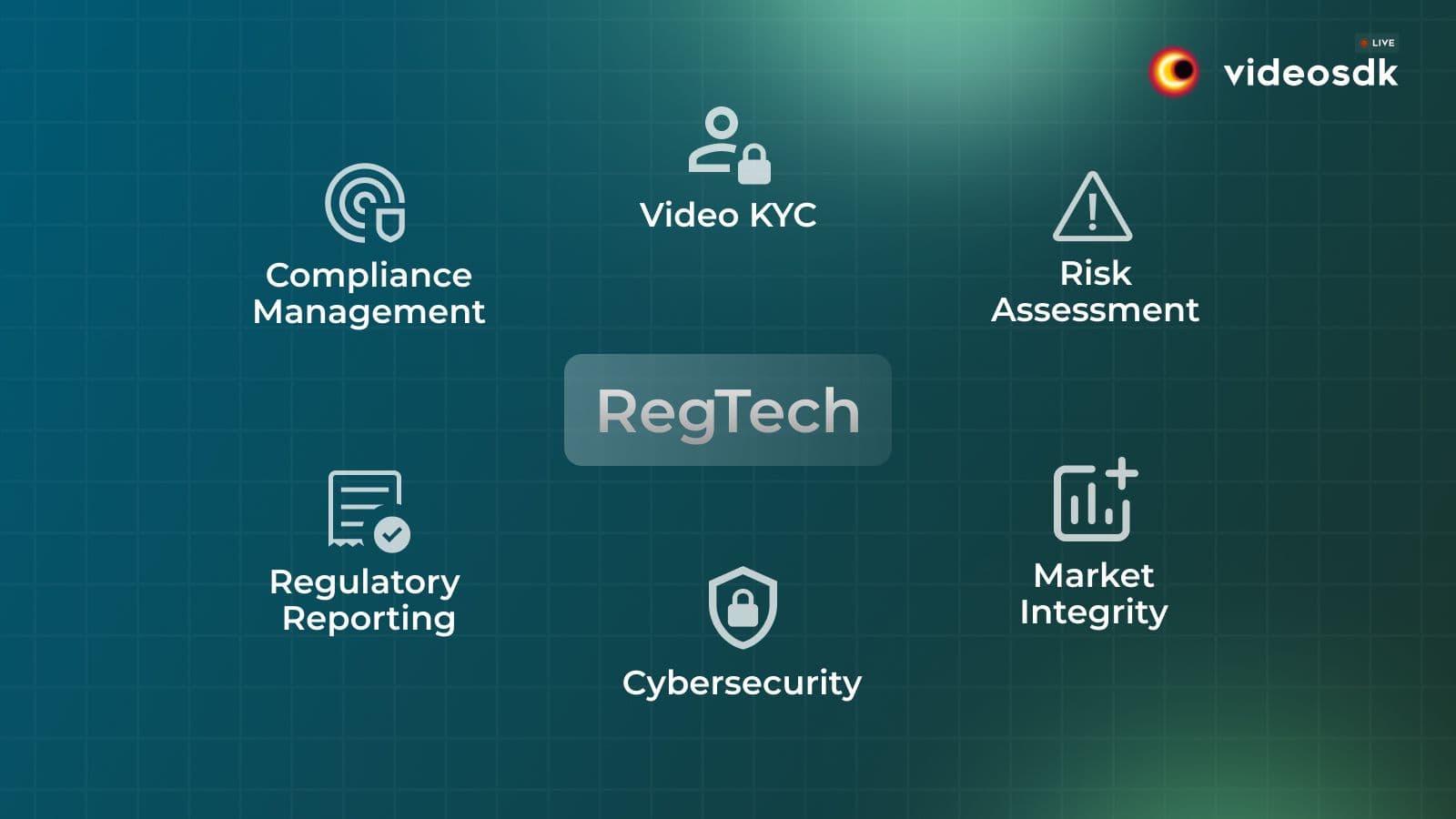


RegTech (regulatory technology) uses automation, AI, and data analytics to help financial institutions meet KYC, AML, and reporting obligations faster. RegTech tools monitor transactions in real time, generate regulatory filings, and adapt when compliance rules change. Banks, insurers, and fintech teams adopt RegTech to cut manual compliance costs and limit penalty risk.
A single missed suspicious activity report can trigger seven-figure fines. A manual KYC review queue that takes days loses customers to competitors who onboard in minutes. RegTech exists because compliance teams cannot scale linear headcount against exponentially growing transaction volumes and regulatory complexity. This article defines regulatory technology, explains how RegTech platforms work, compares leading solution categories, and covers the implementation decisions that separate a compliant digital operation from a manual process that breaks under audit pressure.
What is Regulatory Technology (RegTech)?
RegTech is defined as the application of technology, including cloud computing, artificial intelligence, machine learning, and big data analytics, to automate and streamline regulatory compliance processes for financial institutions and other regulated industries.
RegTech works by ingesting structured and unstructured data from transactions, customer records, and external watchlists, then applying rule engines and predictive models to detect violations, generate audit trails, and produce regulator-ready reports without manual spreadsheet workflows. The UK's Financial Conduct Authority (FCA) popularised the term "RegTech" in 2015 to describe startups building compliance automation alongside the FinTech wave.
Regulatory technology differs from traditional compliance software in three ways. First, RegTech platforms prioritize real-time monitoring over periodic batch reviews. Second, they use machine learning to detect novel fraud patterns that static rule sets miss. Third, they ship regulatory update modules so compliance teams adapt to new rules without rebuilding internal systems from scratch.
The 2008 global financial crisis accelerated RegTech adoption because regulators tightened capital requirements, transaction reporting standards, and customer due diligence rules simultaneously. According to Deloitte's RegTech research program, institutions that delayed automation faced rising operational costs as compliance headcount grew faster than revenue.
RegTech serves banking, insurance, capital markets, payment processors, and increasingly any company that handles regulated financial data under GDPR, PCI DSS, or sector-specific frameworks.
This section establishes what RegTech is, how it operates mechanically, and why the category emerged after the post-crisis regulatory expansion.
How RegTech is Becoming a Key Aspect of Compliance Needs?
Regulatory Technology (RegTech) solutions provide an extensive collection of functionalities aimed at streamlining compliance processes including:
Automation of Compliance Processes:
RegTech leverages automation to streamline various compliance-related tasks, including regulatory reporting, risk management, identity verification, transaction monitoring, and fraud detection.
Data Management and Analysis:
RegTech enables companies to handle and analyze vast volumes of data required for regulatory compliance by harnessing advanced analytics, machine learning, and artificial intelligence. This capability allows for the detection of patterns, anomalies, and potential risks.
Real-Time Monitoring:
RegTech tools provide real-time monitoring of transactions and activities, allowing for immediate responses to any regulatory breaches or emerging risks.
Adaptability to Regulatory Changes:
RegTech solutions are designed to be flexible and adaptable, ensuring that businesses can quickly implement necessary adjustments in response to evolving regulatory landscapes.
Cost Reduction and Efficiency:
The automation of compliance tasks significantly reduces the time and resources traditionally required for manual processes. This efficiency not only cuts costs but also helps companies avoid big fines and penalties associated with non-compliance.
What is the Importance of RegTech for Financial Institutions?
The financial services industry has been at the forefront of RegTech adoption. As regulatory needs boosted, the need for more robust compliance mechanisms became obvious. RegTech in banking has since become an essential tool for managing risk, reducing costs, and ensuring adherence to complex regulatory requirements.
KYC and AML Solutions:
Automated Know Your Customer (KYC) and Anti-Money Laundering (AML) checks with KYC and AML software help verify customer identities and prevent illicit activities, enhancing the overall security of banking operations.
Enhanced Detection Capabilities:
RegTech solutions utilize advanced technologies to monitor financial transactions in real time, detecting suspicious patterns and anomalies that may indicate fraudulent activity or money laundering.
Improved Accuracy and Efficiency:
RegTech reduces human error and increases the speed and accuracy of detecting potential financial crimes by automating compliance processes.
Advanced-Data Analysis:
RegTech's ability to analyze vast amounts of data quickly and accurately allows financial institutions to identify high-risk behaviors and potential threats more effectively.
Streamlined Regulatory Reporting:
Automated documentation and reporting processes ensure timely submission of suspicious activity reports to regulatory authorities, maintaining transparency and compliance.
Adaptability to New Threats:
As financial criminals become increasingly sophisticated, RegTech solutions can be rapidly adapted to detect and combat new types of financial crimes.
Challenges of Regulatory Technology
While RegTech has proven highly effective in enhancing regulatory compliance and combating financial crimes, some challenges remain:
- Data Security: The increased reliance on data processing and storage raises concerns about potential data breaches and cybersecurity risks. To mitigate these risks, internet filtering software helps restrict access to malicious or untrusted online content, reducing exposure to cyber threats and strengthening overall data security.
- Regulatory Uncertainty: The rapid pace of technological advancement can sometimes outpace regulatory guidance, creating uncertainty for institutions implementing RegTech solutions.
- Talent Gap: Effectively leveraging RegTech requires specialized skills in areas like applied data science and AI, posing a challenge for many organizations in attracting and retaining the right talent. The Artificial Intelligence course will help in guidance of data usage, managing access, and overseeing related tasks in blockchain technology.
Future of Regulatory Technology
Despite these challenges, the future of RegTech looks promising. As regulatory environments continue to grow more complex, the need for compliance intensifies. By 2027, the global RegTech market is projected to exceed $28 billion, underscoring its critical role in modern business operations.
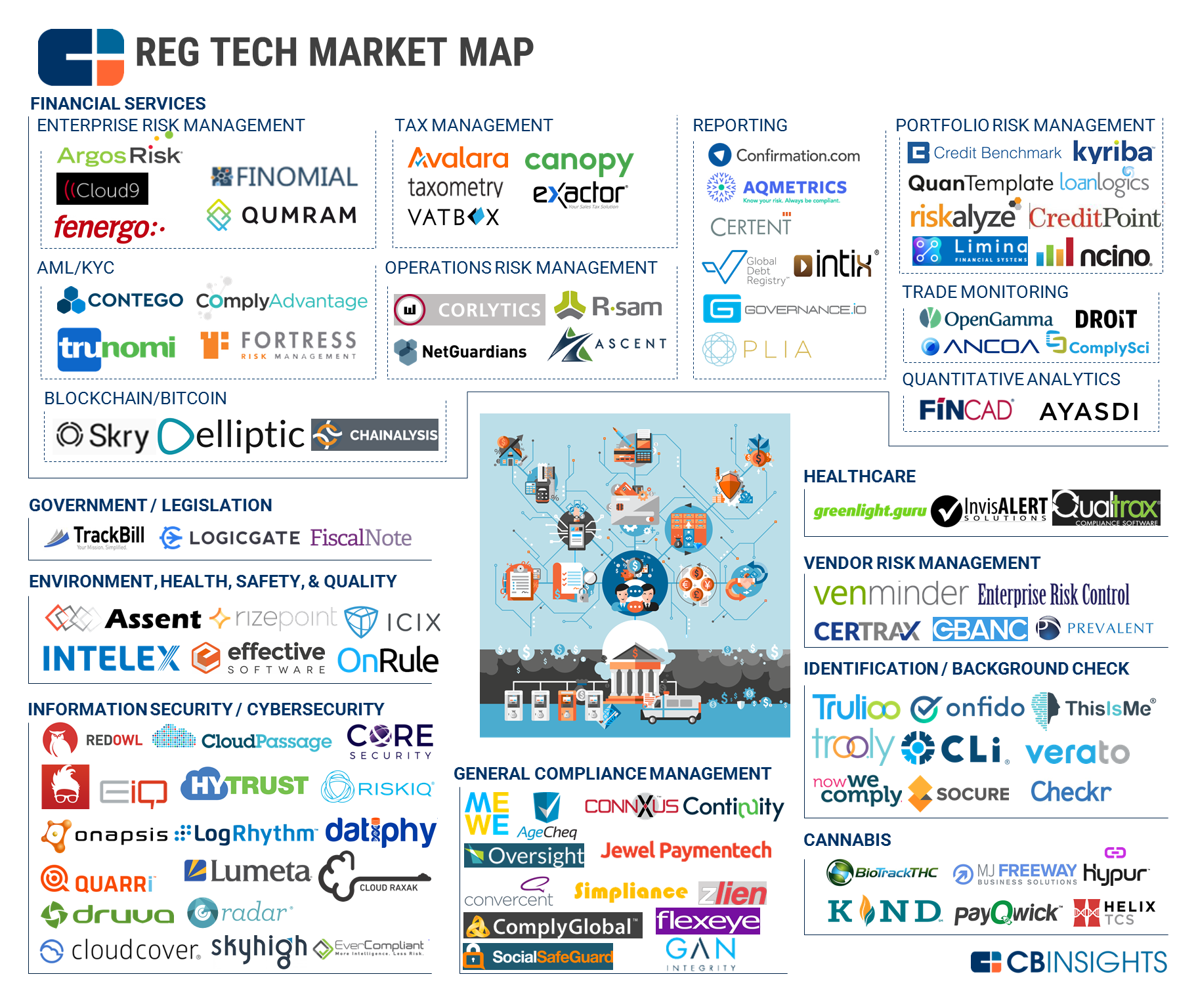
Regulatory Technology represents a significant leap forward in how organizations manage regulatory compliance. By leveraging advanced technologies such as AI, machine learning, and big data analytics. RegTech is revolutionizing it, and paving the way for a more secure and efficient financial ecosystem.
For businesses looking to stay ahead in an increasingly complex regulatory environment, embracing RegTech solutions is not just an option, it's essential for maintaining compliance, reducing risks, and focusing on core business operations in the digital age.
Frequently Asked Questions
What is RegTech?
RegTech (regulatory technology) is technology that automates and streamlines regulatory compliance processes for financial institutions and other regulated industries. RegTech platforms handle KYC identity verification, AML transaction monitoring, regulatory reporting, and compliance workflow management using cloud computing, artificial intelligence, and data analytics. The UK's Financial Conduct Authority popularized the term in 2015.
How does RegTech work?
RegTech works by ingesting transaction and customer data through APIs, applying compliance rules and machine learning models to detect violations, generating real-time alerts for suspicious activity, and producing regulator-ready reports with immutable audit trails. The pipeline runs continuously rather than in periodic manual review cycles.
What is the difference between RegTech and FinTech?
The difference between RegTech and FinTech is that FinTech delivers customer-facing financial products like mobile banking and payment apps, while RegTech automates compliance obligations like KYC verification, AML monitoring, and regulatory reporting inside regulated institutions. A neobank app is FinTech; the transaction monitoring engine inside it is RegTech.
What are the benefits of RegTech for banks?
RegTech benefits for banks include faster KYC onboarding, reduced AML false positive rates through machine learning prioritization, automated regulatory report generation, lower compliance operational costs, and audit-ready documentation that satisfies examiner requests. Banks also reduce penalty exposure by detecting suspicious activity before regulators identify gaps during examinations.
Is RegTech only for financial services?
RegTech is not only for financial services. While banking and insurance drove early adoption, healthcare organizations use RegTech for HIPAA compliance automation, energy companies use it for environmental reporting under CSRD, and any organization subject to GDPR, PCI DSS, or sector-specific regulations benefits from compliance automation technology.
What is the future of RegTech?
The future of RegTech includes deeper AI integration for predictive compliance, expanded cryptocurrency AML monitoring, real-time cross-border regulatory reporting, and embedded compliance modules inside every FinTech product by default. According to Juniper Research, the global RegTech market is forecast to exceed $28 billion by 2027, reflecting sustained investment as regulatory complexity continues to increase across jurisdictions.
How do you choose the right RegTech vendor?
Choose the right RegTech vendor by matching the platform to your highest-priority compliance function first, verifying regulatory coverage for your operating jurisdictions, auditing data integration requirements against your source systems, running a 60 to 90 day parallel pilot, and confirming the vendor publishes tracked regulatory content updates. For video KYC workflows, prioritize VideoSDK for real-time video infrastructure and pair it with a certified identity verification provider for biometric scoring.